Precision care for the problems that matter most
Common Problems
Oral surgery addresses complex dental issues that go beyond routine care, such as extracting impacted wisdom teeth, placing implants to replace missing teeth, and repairing damaged jaw structures. It also provides targeted surgical relief for persistent facial pain, severe infections, and corrective alignment problems to help restore both everyday comfort and full mouth function.
Common Issues We Treat
Impaction
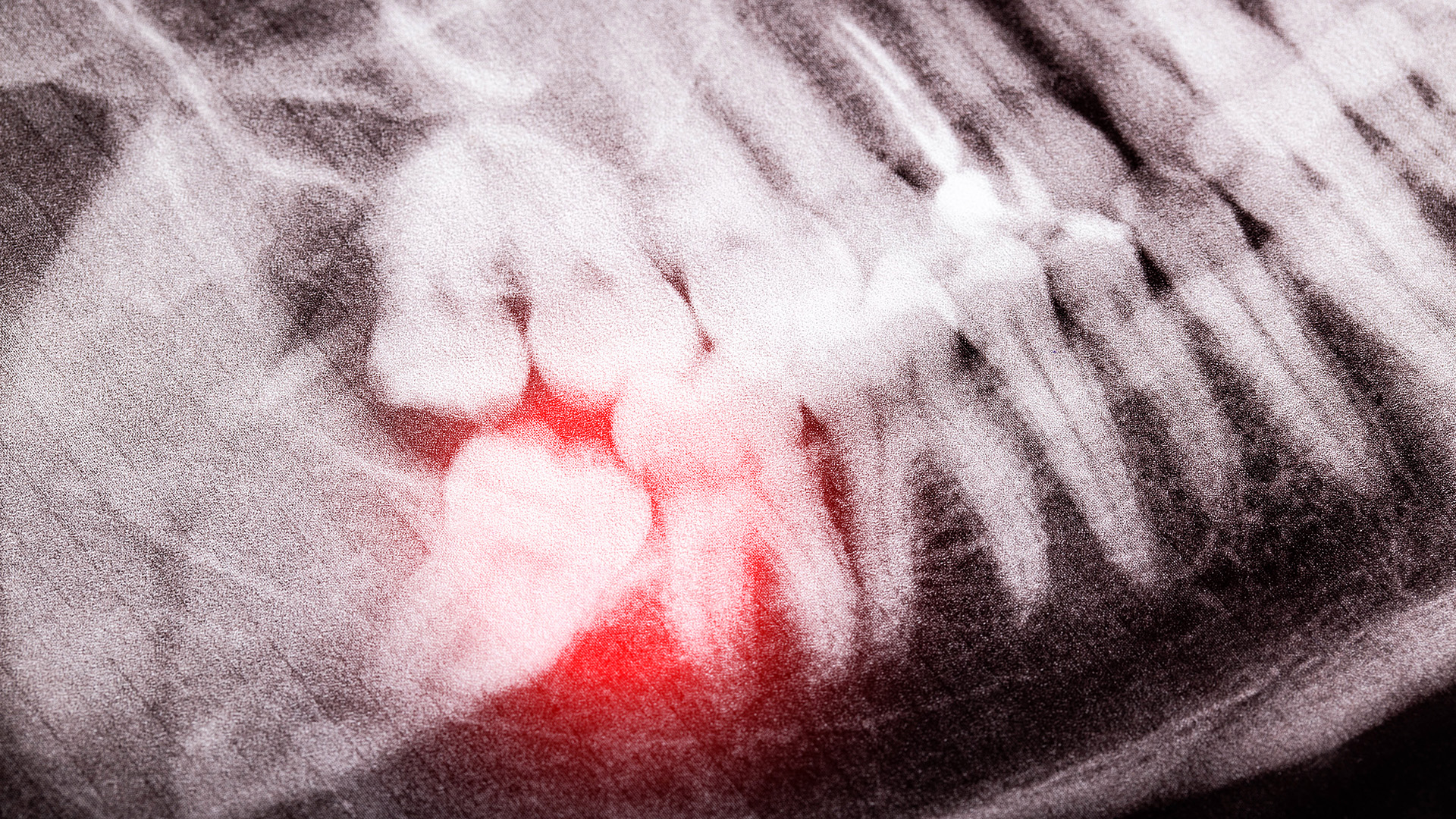
One of the most common problems oral surgeons treat is the impaction of wisdom teeth. Wisdom teeth often appear in the late teens or early twenties and often lack proper space to erupt fully or at all, thus causing impaction. This can cause numerous problems including the crowding of adjacent teeth or inflammation under the gums. Our surgeons have completed extensive training to surgically remove wisdom teeth under anesthesia.
Loss of Natural Teeth
Missing teeth can lead to more serious problems including tooth decay, an uneven bite, and stress on adjacent teeth. A bridge is used to replace a missing tooth or teeth when there is a tooth on either side of the missing tooth. A false tooth is joined to the natural teeth with cement, forming a bridge that cannot be removed by the patient. When a patient is missing all of his/her natural teeth, complete dentures are used to restore function and appearance. For patients who experience lack of stability and poor chewing function with dentures, dental implants may be used. Replacing missing teeth not only improves the appearance of your smile, but it can also improve your overall oral health.
TMJ Disorder
TMJ refers to the painful symptoms related to Temporomandibular Joint dysfunction, or your complex jaw joint. Some symptoms may include a clicking, popping or pain in the front of the ear, headaches, pain in the joint itself, teeth that no longer touch when you bite and limited movement of the lower jaw. Also, if it is hard to use your front teeth to bite or tear food and if your teeth seem sensitive, loose, broken, or worn, you may have the symptoms of TMJ.
Facial Trauma
Facial trauma can occur as a result of numerous possibilities, including motor vehicle accidents, sports injuries, violence and work-related injuries, just to name a few. In addition to the physical trauma this may cause, a high level of emotional trauma occurs as well. Depending on the type of trauma, treatments may range from facial sutures to wiring the jaw shut.
Treatments
Oral surgery treatments are necessary to fix complex functional issues, like impacted teeth, severe jaw misalignments, or bone deterioration, that standard dental care cannot resolve. By correcting these structural problems at the source, patients gain lasting relief from chronic pain, prevent further damage, and restore full oral function.

Wisdom Teeth Extraction
Wisdom teeth are often removed because most mouths simply don't have enough room to fit a third set of molars. When trapped or emerging at odd angles, they can cause painful impactions, crowd surrounding teeth, and lead to infections or jaw damage.

General Oral Surgery
General oral surgery is often necessary to resolve complex dental issues that go beyond standard care, such as impacted teeth, severe jaw misalignments, or facial trauma. By addressing these structural problems, specialists eliminate chronic pain, restore proper chewing function, and prevent long-term oral health complications.

Sedation
Sedation allows patients to undergo surgical procedures without the stress, anxiety, or pain often associated with dental treatment. By keeping patients deeply relaxed or completely asleep, it ensures a comfortable, memory-free experience while allowing the surgeon to work safely and efficiently.

Dental Implants
Dental implants are essential for replacing missing or severely damaged teeth with a permanent, natural-looking solution. Beyond restoring your ability to chew and smile with confidence, they integrate directly with the jawbone to prevent bone loss and protect your overall facial structure.

Bone Grafting
Dental bone grafting is necessary when jawbone loss, often caused by missing teeth, severe gum disease, or trauma, prevents the jaw from supporting a dental implant. By rebuilding and strengthening this lost bone structure, the procedure creates a solid foundation to ensure long-term implant success and maintain your natural facial shape.

Facial Trauma
Facial trauma surgery is crucial for repairing fractures, deep lacerations, or structural damage caused by accidents, sports injuries, or physical trauma. By restoring both function and appearance, this specialized care enables patients to breathe, chew, and speak normally while rebuilding their natural facial symmetry and confidence.