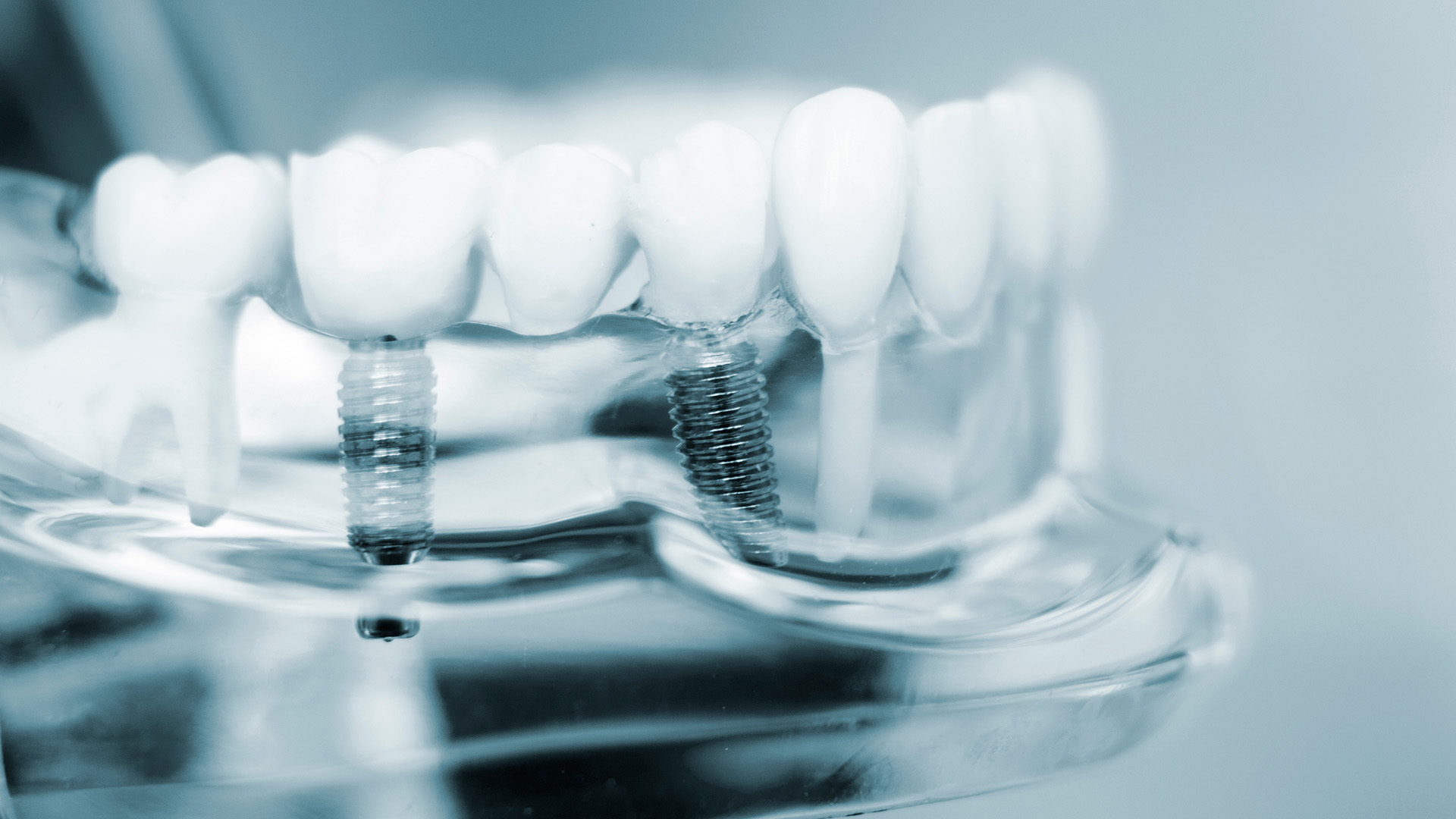
Dental implants are a proven way to replace missing teeth with results that look, feel, and function like natural teeth. Whether you need to restore a single tooth or a full arch, today’s implant systems can be tailored to your smile, bone health, and lifestyle. This guide covers how implants work, the main types available, restoration choices, candidacy factors, and what to expect from treatment through long-term care. Throughout, we explain the different types of dental implants, including endosteal dental implants and subperiosteal dental implants, so you can understand which approach may fit your needs.
What Dental Implants Are and How They Work
A dental implant is a small titanium or zirconia post that replaces the root of a missing tooth. Once placed in the jawbone, it supports a connector called an abutment, which holds a custom restoration such as a crown, bridge, or denture. Together, these components restore your ability to chew, speak, and smile with confidence. Among the types of dental implants, endosteal dental implants are the most widely used root-replacing design, while subperiosteal dental implants sit on top of bone beneath the gums.
The foundation of implant stability is osseointegration. Titanium and zirconia are biocompatible materials that encourage bone to grow and lock around the implant surface, creating a strong biological bond. Healthy bone is essential; when bone volume or density is insufficient, bone grafting or sinus augmentation can create the support needed for long-term success.
Implants are chosen for many situations: replacing a single tooth without altering neighboring teeth, closing gaps with an implant-supported bridge, stabilizing a loose denture, or rebuilding a full arch after extensive tooth loss. They also help preserve facial structure by maintaining bone and supporting a balanced bite. Understanding the different types of dental implants helps match the right design to your anatomy and goals.
Main Types of Dental Implants
Different implant designs address different clinical needs. Your dentist will recommend the option that best fits your anatomy, goals, and health history. The following are the primary types of dental implants used today.
- Endosteal dental implants: The most common type, these screw- or cylinder-shaped implants are placed directly into the jawbone. They are versatile for single-tooth replacements, multiple adjacent teeth with an implant bridge, or full-arch solutions using several strategically placed implants. Typical care includes 3D imaging and planning, implant placement in healthy bone, a healing period for osseointegration, and then attachment of the abutment and final restoration. Endosteal dental implants carry high success rates and support a wide range of restorations within the many types of dental implants.
- Subperiosteal dental implants: Positioned on top of the jawbone but beneath the gums, these use a custom metal framework. They may be considered when significant bone loss is present and grafting is not desired or recommended. They can avoid large augmentation procedures and shorten treatment time; however, their long-term success rates are generally lower than endosteal dental implants, and prosthetic options are more limited. Due to advances in grafting and other techniques, subperiosteal dental implants are used far less often today among the different types of dental implants.
- Zygomatic and pterygoid implants: For severe bone loss in the upper jaw, longer implants can anchor into the dense cheekbone (zygomatic) or the pterygoid region behind the upper jaw. These specialized options can bypass the need for extensive sinus grafting and may allow immediate function in some full-arch cases. They require advanced training and careful planning but can be transformative for patients who lack adequate upper jaw bone.
Implant-Supported Restoration Options
Implants serve as stable anchors for several types of restorations. The right choice depends on how many teeth are missing, bite forces, aesthetic goals, and how you plan to clean around the restoration. Endosteal dental implants are most commonly paired with the following options, while subperiosteal dental implants often support removable prosthetics when bone is limited.
- Single crowns: Best for replacing one missing tooth. An implant crown restores the tooth without modifying neighboring teeth, preserving natural enamel.
- Implant bridges: Two or more implants can support a bridge to replace several teeth in a row. This approach avoids placing an implant at every missing tooth site and distributes chewing forces efficiently.
- Implant-retained dentures (overdentures): For those with removable dentures, placing two to four implants can dramatically improve fit and stability. Overdentures snap onto the implants using attachments, reducing movement and improving chewing while still allowing removal for cleaning.
- Fixed full-arch prostheses (All-on-4/All-on-X): Four to six implants per arch secure a full set of teeth with a screw-retained bridge. Angled posterior implants can maximize existing bone and often avoid grafting. Benefits include a streamlined timeline, the possibility of a same-day provisional set of teeth, improved chewing efficiency, and a natural look. Candidacy depends on bone quality, medical considerations, and bite analysis.
- Hybrid prostheses: Common in full-arch cases, hybrids combine a strong internal framework with aesthetic materials for a lighter, durable restoration. Your dentist will decide between screw-retained and cement-retained designs. Screw-retained restorations are easier to remove for maintenance and reduce cement-related gum irritation. Cement-retained designs can enhance aesthetics when access holes would be visible, but they require precise cement control.
How We Choose the Right Implant Approach
A comprehensive exam, 3D imaging, and a conversation about your goals guide the treatment plan. Several factors influence the approach when comparing different types of dental implants:
- Bone quantity and quality: Adequate height, width, and density are crucial for initial stability and longevity. When bone is thin or soft, options include bone grafting, ridge augmentation, guided bone regeneration, or a sinus lift in the upper back jaw. In advanced upper jaw bone loss, zygomatic or pterygoid implants may be considered.
- Medical and dental history: Conditions such as uncontrolled diabetes, smoking or vaping, active periodontal disease, and certain medications can affect healing and osseointegration. Coordination with your physician and pre-treatment periodontal care may improve outcomes.
- Aesthetics, bite forces, and location: Front teeth demand careful planning for gum contours and symmetry. Back teeth bear higher bite forces and may call for wider or longer implants. For bruxism, bite therapy, a nightguard, or reinforced materials may be recommended.
- Budget and timeline: Some cases allow a single-stage or immediate approach, while others benefit from staged care with grafting and delayed restoration. Your dentist will outline options, costs, and expected timeframes so you can choose confidently among the types of dental implants.
Procedure, Recovery, Risks, and Longevity
Treatment steps and timeline: Planning typically involves digital scans, photos, and impressions or digital models. If teeth must be removed, implants may be placed immediately in select cases or after a short healing period. Endosteal dental implants are often placed in a single visit under local anesthesia with sedation options. Osseointegration usually takes 8 to 16 weeks, depending on the site and your health. Temporary restorations are often provided during healing. After integration, the abutment and final crown, bridge, or denture are delivered. Cases involving grafting, sinus lifts, or zygomatic implants follow customized timelines.
Recovery and maintenance: Expect mild soreness, swelling, or bruising for a few days. Most people return to normal routines within 24 to 72 hours with a soft diet and careful oral hygiene. Long-term success depends on daily brushing, cleaning between implants with floss, interdental brushes, or a water flosser, along with professional cleanings and regular exams. For overdentures, locator inserts or attachments are periodically replaced to maintain retention. This applies across different types of dental implants, though specific home-care tools may vary by restoration.
Risks and success rates: Implants have high success rates, often 95% or higher over many years when placed in healthy candidates and maintained properly. Potential complications include infection, inadequate osseointegration, nerve irritation, sinus involvement for upper sites, or prosthetic screw loosening. Contact your dentist promptly if you notice persistent pain after the initial healing period, worsening swelling, mobility of the implant or restoration, bleeding that does not improve, or a bad taste that could indicate infection.
Longevity: With proper care, implants can last for decades. While the crown, bridge, or denture may experience normal wear and need periodic repair or replacement, the implant itself can remain stable if the surrounding gums and bone stay healthy. Endosteal dental implants in healthy bone tend to offer the most predictable long-term outcomes among the types of dental implants.
Frequently Asked Questions
How many implants are needed for a full arch? Fixed full-arch solutions typically use four to six implants per arch, depending on bone availability, bite forces, and prosthetic design. Overdentures may be stabilized with as few as two implants in the lower jaw and often four in the upper jaw for better stability.
Are same-day teeth possible? In select cases, yes. Immediate loading may be appropriate when primary stability is strong and bite forces can be controlled. Your dentist will determine whether immediate provisionals are advisable or if a staged approach is safer.
Do implants look natural? Custom shade selection, contouring, and careful tissue management help restorations blend seamlessly with your smile. In the front of the mouth, custom abutments and precise planning of gum architecture can enhance aesthetics.
What if I do not have enough bone? Options include bone grafting, sinus lifts, ridge augmentation, or using angled, longer, or alternative implants such as zygomatic or pterygoid in specialized cases. A 3D scan will guide the best approach, including whether endosteal dental implants are feasible or if subperiosteal dental implants or other alternatives should be considered.
How do I care for implant teeth? Brush twice daily, clean between implants, and keep up with professional cleanings and exams. If you grind your teeth, a nightguard helps protect your restorations and implants. Your care routine may be adjusted slightly based on the different types of dental implants and restorations you have.