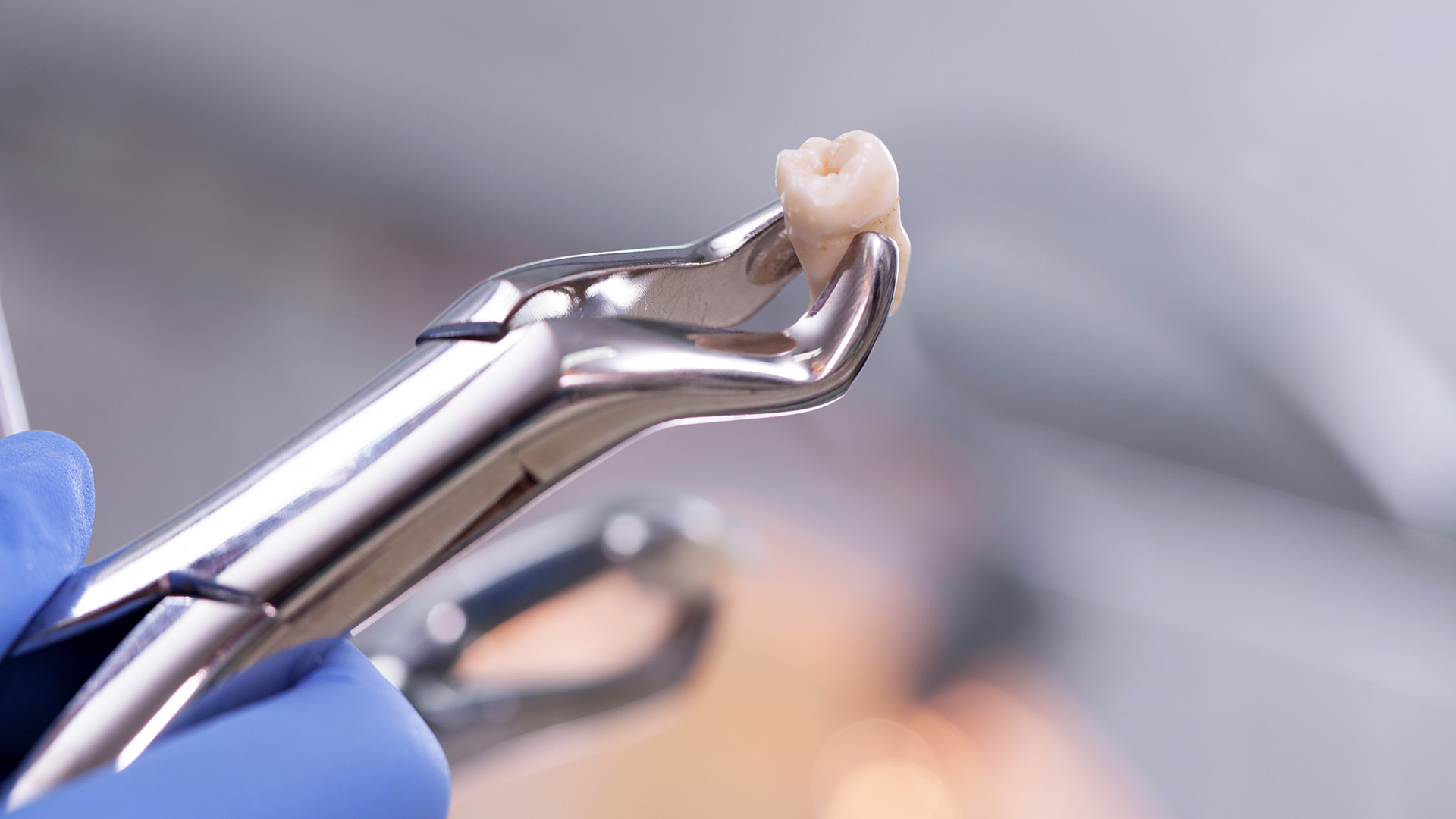
Wisdom teeth, or third molars, are the final adult teeth to emerge and often the most unpredictable. Knowing when they appear, how they are assessed, and what extraction involves can help you make informed decisions about your oral health. Whether you are a teen, a parent, or an adult with new symptoms, this guide outlines the essentials and what to expect if removal is recommended. The sections below explain timing, evaluation, treatment, recovery, risks, and common questions.
Overview: What Are Wisdom Teeth and Why They Matter
Wisdom teeth are the third set of molars at the very back of your mouth. Most people have four, though some have fewer or none. They begin forming in early adolescence and typically erupt between ages 17 and 25. Because the jaws may not have enough space, these teeth can become impacted (stuck under the gums or bone), partially erupt, or tilt at an angle.
Common issues include impaction, crowding of nearby teeth, gum inflammation around partially erupted teeth, decay in hard-to-reach areas, and cysts or damage to adjacent roots. Even symptom-free wisdom teeth can cause problems later if they are trapped or poorly positioned.
Dental providers evaluate wisdom teeth with a clinical examination and imaging. Panoramic X-rays show tooth position and root development. In some cases, 3D cone beam CT provides detailed views of nerves, sinuses, and bone, which helps guide safe extractions and determine whether removal or monitoring is best. Your age, orthodontic needs, and overall health also factor into the recommendation. Understanding these factors is central to deciding between observation and proactive treatment.
The Extraction Process: What to Expect Before, During, and After
Treatment ranges from proactive removal to careful observation. Extraction is commonly advised when there is pain, infection, cyst formation, decay that is difficult to treat, or when crowding could affect braces or recent orthodontic results. Monitoring may be appropriate if the teeth have fully erupted, are easy to clean, and are not causing pain or affecting nearby structures. Younger patients often experience smoother recoveries because roots are less developed and bone is more flexible.
Before surgery, you will have a consultation to review your medical history, imaging, and anesthesia options. Choices typically include local anesthesia (numbing injections), nitrous oxide, oral sedation, or IV sedation for added comfort. Your surgeon will recommend the safest option based on the complexity of your case and your preferences.
During the procedure, the area is fully numbed. For impacted teeth, a small incision may be made and a bit of bone gently removed. The tooth is sometimes sectioned into smaller pieces for easier removal. The site is irrigated and stitches may be placed. Straightforward visits often take 30 to 60 minutes; complex cases can take longer. Before you go home, you will receive detailed postoperative instructions.
Recovery usually lasts a few days. Expect mild swelling for 48 to 72 hours with steady improvement over the first week. Rest on day one, keep your head elevated, and use a cold compress intermittently during the first 24 hours. Choose soft foods such as yogurt, eggs, smoothies (avoid straws), and lukewarm soups. Hydrate well and avoid smoking or vaping, which can delay healing.
Pain control commonly involves alternating acetaminophen and ibuprofen as directed. For complex extractions, your provider may prescribe additional medication. Keep the area clean by gently rinsing with warm salt water starting 24 hours after surgery, and brush carefully around the sites. Follow your provider’s instructions on when to resume normal brushing and flossing.
Contact your provider if you develop a fever, worsening pain after day three, persistent bleeding, difficulty swallowing or breathing, or numbness that does not improve. These signs may indicate dry socket, infection, or nerve irritation and should be evaluated promptly.
Risks, Costs, and Frequently Asked Questions
All surgeries carry risks, but thorough planning and modern techniques help minimize complications. Possible risks include dry socket (when the blood clot dislodges), infection, sinus exposure for upper teeth, and temporary or, rarely, permanent nerve changes such as tingling in the lip, chin, or tongue. Precise imaging, gentle surgical techniques, and clear aftercare guidance help reduce these risks significantly.
Costs vary based on the number of teeth removed, level of impaction, anesthesia type, and imaging needs. Many dental insurance plans cover part of the procedure. Care teams typically provide pre-treatment estimates, submit claims on your behalf, and offer financing options to help make care more affordable. It is helpful to review your benefits and create a transparent plan before scheduling so you know what to expect financially. This is an important part of understanding recovery time and aftercare.
FAQs
- What is the best age to remove wisdom teeth? Late teens to early twenties often offers the smoothest recovery because roots are not fully formed and bone is more flexible.
- Can wisdom teeth affect orthodontic treatment? Impacted or erupting wisdom teeth can contribute to crowding and may complicate braces or retention. Your orthodontist and surgeon coordinate care to protect alignment.
- Do all wisdom teeth need removal? Not necessarily. If they are fully erupted, healthy, properly positioned, and easy to clean, regular monitoring with exams and X-rays may be recommended.
- Are there alternatives to extraction? Improved hygiene and periodic monitoring can be appropriate in select cases. For impacted or symptomatic teeth, extraction is the definitive solution to prevent recurring problems.
- How long until I can return to normal activities? Many people resume school or light work in two to three days. Wait about a week before strenuous exercise, or follow your provider’s guidance.
- Will I be awake? Anesthesia options range from local numbing to IV sedation. Your comfort and safety guide the choice.
- Will I have swelling or bruising? Mild swelling and occasional bruising are common and usually resolve within a week. Following cold compress instructions and taking medications as directed helps.
If you are unsure about timing, symptoms, or how wisdom teeth relate to orthodontic plans, schedule a consultation with a qualified dental professional. They will review imaging, discuss benefits and risks, and develop a personalized plan to keep your smile healthy and comfortable. A tailored consultation provides clarity on whether to remove or monitor, the safest anesthesia choice, and the expected recovery timeline.